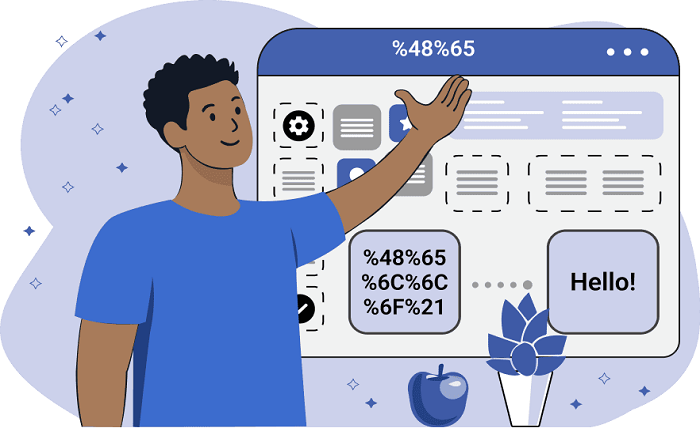
The term url decoder spellmistake is becoming increasingly popular among web developers, SEO experts, and internet users who frequently work with encoded URLs. A url decoder spellmistake usually happens when someone incorrectly types, decodes, or interprets encoded web addresses. Since URLs often contain special characters, symbols, and encoded text, even a small url decoder spellmistake can lead to broken pages, failed redirects, or inaccurate data processing.
Understanding how a url decoder spellmistake occurs is important because URLs are essential for website navigation, online security, search engine optimization, and user experience. Whether you are a beginner or an experienced programmer, learning how to identify and fix a url decoder spellmistake can save time and prevent technical issues.
What Is a URL Decoder SpellMistake?
A url decoder spellmistake refers to an error that occurs when decoding encoded URL characters into readable text. URLs use encoding to replace unsafe or special characters with symbols such as %20 for spaces or %3A for colons. When someone makes a url decoder spellmistake, the decoded output may become unreadable or invalid.
For example, if a URL contains encoded characters and a person accidentally removes or changes one symbol during decoding, the entire link may stop working. A url decoder spellmistake can also happen when users misspell words within the URL itself, creating confusion for browsers and search engines.
In many cases, a url decoder spellmistake occurs because users do not fully understand URL encoding standards. Since websites rely heavily on proper formatting, avoiding a url decoder spellmistake is critical for smooth online functionality.
Why URL Encoding and Decoding Matter
Understanding the importance of URL encoding helps explain why a url decoder spellmistake can create major problems. URLs are designed to transmit data safely across the internet, and encoding ensures that special characters do not interfere with browser communication.
When a url decoder spellmistake happens, the browser may interpret the URL incorrectly. This can result in:
- Broken website links
- Incorrect redirects
- Missing webpage content
- Security vulnerabilities
- SEO ranking issues
For example, spaces in URLs are encoded as %20. If someone makes a url decoder spellmistake and changes %20 incorrectly, the browser may fail to recognize the page. This is why developers carefully test URLs to ensure no url decoder spellmistake affects website performance.
Modern websites depend on proper URL handling for APIs, forms, search queries, and tracking systems. Preventing a url decoder spellmistake helps maintain stable communication between servers and users.
Common Causes of URL Decoder SpellMistake
There are several common reasons why a url decoder spellmistake occurs. One major cause is manual editing of encoded URLs. When users try to modify links without understanding encoding rules, they may accidentally create a url decoder spellmistake.
Another frequent cause of a url decoder spellmistake is copying and pasting URLs from unreliable sources. Sometimes encoded characters become altered during formatting, especially in emails or messaging platforms.
Programming errors also contribute to url decoder spellmistake problems. Developers may use incorrect decoding libraries or apply multiple decoding operations to the same URL. This can produce corrupted outputs and unexpected behavior.
Typing errors are another major reason behind a url decoder spellmistake. Even a single incorrect letter, symbol, or percentage sign can change the entire URL structure. Since URLs follow strict formatting standards, every character matters.
Browser compatibility issues may also trigger a url decoder spellmistake if certain systems interpret encoded text differently. This is especially common in older browsers or poorly configured applications.
How URL Decoder SpellMistake Affects SEO
A url decoder spellmistake can negatively impact search engine optimization in several ways. Search engines rely on clean, accessible URLs to crawl and index webpages correctly. If a url decoder spellmistake breaks a URL structure, search engines may fail to access the page.
One common SEO issue caused by a url decoder spellmistake is duplicate content. Incorrect decoding can create multiple versions of the same URL, confusing search engine algorithms. This may reduce ranking performance and lower website visibility.
Another SEO problem linked to url decoder spellmistake is poor user experience. Broken links frustrate visitors and increase bounce rates. Search engines monitor user behavior, so repeated errors caused by a url decoder spellmistake can damage website credibility.
A url decoder spellmistake can also interfere with analytics tracking. If encoded campaign URLs are decoded incorrectly, traffic data may become inaccurate. This makes it difficult for marketers to measure performance effectively.
To improve SEO, website owners should regularly test URLs and monitor for any url decoder spellmistake that could affect indexing or navigation.
Best Tools to Fix URL Decoder SpellMistake
Several online tools can help identify and correct a url decoder spellmistake quickly. These tools convert encoded URLs into readable text while checking for formatting issues.
Popular tools for fixing url decoder spellmistake problems include:
- URL Encoder/Decoder tools
- Browser developer tools
- SEO audit platforms
- Online URL validators
- Programming libraries for decoding
These solutions help users detect whether a url decoder spellmistake exists within the URL structure. Many tools automatically highlight invalid characters or broken encoding patterns.
Developers often use programming languages like JavaScript, Python, or PHP to fix a url decoder spellmistake programmatically. Functions such as decodeURIComponent() in JavaScript are commonly used to decode URLs safely.
Using trusted tools reduces the chances of introducing another url decoder spellmistake during the correction process. Regular testing also helps maintain website reliability.
How to Prevent URL Decoder SpellMistake
Preventing a url decoder spellmistake requires careful handling of URLs and encoded data. One of the best strategies is to avoid manually editing encoded URLs unless absolutely necessary.
Using automated systems can significantly reduce the risk of a url decoder spellmistake. Most modern frameworks include built-in encoding and decoding functions that follow web standards correctly.
Another effective method for preventing url decoder spellmistake issues is proper developer training. Understanding how URL encoding works helps programmers avoid common mistakes.
Website owners should also perform regular audits to identify any hidden url decoder spellmistake affecting website performance. Broken links, redirect errors, and malformed URLs should be fixed immediately.
Additional prevention tips include:
- Use trusted encoding libraries
- Double-check copied URLs
- Avoid unnecessary URL modifications
- Test URLs across multiple browsers
- Monitor SEO reports regularly
By following these practices, businesses can minimize the chances of a damaging url decoder spellmistake.
URL Decoder SpellMistake in Web Development
In web development, a url decoder spellmistake can create serious technical challenges. APIs, databases, and web applications depend on accurate URL processing to exchange information correctly.
For example, when developers pass user data through URLs, a url decoder spellmistake may corrupt the transmitted information. This can cause failed searches, login issues, or broken forms.
A url decoder spellmistake may also affect website security. Improper decoding can expose applications to vulnerabilities such as injection attacks or redirect manipulation. Developers must carefully sanitize decoded inputs to prevent exploitation.
Frameworks like React, Laravel, Django, and Node.js provide tools to minimize url decoder spellmistake problems. However, developers still need to understand how encoding works to use these tools effectively.
Testing environments are especially important for detecting url decoder spellmistake issues before launching websites publicly. Quality assurance teams often perform URL validation tests to ensure smooth functionality.
Future Trends Related to URL Decoder SpellMistake
As internet technologies evolve, the handling of url decoder spellmistake issues is becoming more advanced. Artificial intelligence and automation tools are now capable of detecting URL formatting problems in real time.
Future browsers may automatically correct minor url decoder spellmistake errors before users even notice them. Machine learning algorithms can identify suspicious patterns and suggest corrections instantly.
Cybersecurity improvements are also influencing how url decoder spellmistake cases are handled. Since malicious links often rely on encoding tricks, advanced decoding systems are helping detect phishing attempts and unsafe URLs.
SEO tools are expected to become smarter at identifying url decoder spellmistake problems affecting rankings. Automated website audits may soon provide instant recommendations for correcting URL-related issues.
As web technology continues to improve, understanding url decoder spellmistake concepts will remain valuable for developers, marketers, and website owners alike.
Conclusion
A url decoder spellmistake may seem like a small issue, but it can significantly impact website functionality, user experience, security, and SEO performance. Since URLs play a critical role in internet communication, even a tiny decoding error can create major technical problems.
By understanding the causes of url decoder spellmistake, using reliable tools, and following best practices, users can prevent broken links and maintain smooth website operations. Developers and SEO professionals should regularly monitor encoded URLs to ensure accuracy and reliability.
As technology advances, solutions for handling url decoder spellmistake problems will continue to improve. However, careful attention to URL formatting will always remain essential for successful web management.
FAQs
1. What is a URL decoder spellmistake?
A url decoder spellmistake is an error that occurs when encoded URLs are incorrectly decoded, typed, or interpreted, causing broken or invalid links.
2. Why does a url decoder spellmistake happen?
A url decoder spellmistake can happen because of manual editing errors, incorrect encoding, copy-paste mistakes, or programming issues.
3. Can a url decoder spellmistake affect SEO?
Yes, a url decoder spellmistake can harm SEO by creating broken links, duplicate pages, poor user experience, and indexing issues.
4. How can I fix a url decoder spellmistake?
You can fix a url decoder spellmistake using online URL decoder tools, browser developer tools, or programming functions like URL decoding libraries.
5. How do I prevent a url decoder spellmistake?
To avoid a url decoder spellmistake, use automated encoding tools, avoid manual URL editing, test links regularly, and follow proper web development practices.