Introduction
Conversation hearts are one of the most recognizable candies associated with Valentine’s Day. These small, heart-shaped sweets are famous for their pastel colors and short romantic messages printed on each piece. For generations, conversation hearts have been exchanged among friends, family members, classmates, and romantic partners as a fun and affordable way to express feelings.
The popularity of conversation hearts extends beyond their sugary taste. People enjoy them because they combine candy with communication, creating a unique experience that blends sweetness with sentiment. Whether the message says “Be Mine,” “Love You,” or “Best Friends,” conversation hearts continue to capture hearts around the world.
As Valentine’s Day approaches each year, stores fill their shelves with bags and boxes of conversation hearts, making them a seasonal favorite. Their enduring appeal proves that even simple candies can create lasting memories.
The Fascinating History of Conversation Hearts
The story of conversation hearts dates back to the nineteenth century when innovative candy-making techniques began transforming the confectionery industry. The origins of conversation hearts can be traced to Daniel Chase, who developed a machine capable of printing messages directly onto candy.
Before modern conversation hearts became popular, printed candy messages appeared on larger sweets known as motto candies. These early versions paved the way for the small, heart-shaped candies we know today. Over time, manufacturers refined the production process and introduced the iconic heart shape that made conversation hearts famous.
Throughout the decades, conversation hearts evolved to reflect changing language and culture. Traditional phrases such as “Kiss Me” and “Be True” remained popular, while newer expressions were introduced to appeal to younger generations. This adaptability helped conversation hearts remain relevant despite shifting trends.
The longevity of conversation hearts demonstrates their cultural significance. Few candies have maintained such a strong presence in holiday celebrations for more than a century. Today, conversation hearts are considered a beloved symbol of Valentine’s Day traditions.
Why Conversation Hearts Are So Popular
The enduring popularity of conversation hearts comes from their unique combination of candy and communication. Unlike ordinary sweets, conversation hearts allow people to share messages in a playful and memorable way.
One reason consumers love conversation hearts is nostalgia. Many adults remember exchanging these candies during childhood Valentine’s Day parties. The sight of colorful conversation hearts often brings back fond memories of school celebrations and friendships.
Another factor contributing to the success of conversation hearts is affordability. These candies are inexpensive, making them accessible to people of all ages. Whether purchasing a small bag or a large assortment, conversation hearts provide an easy way to participate in Valentine’s Day festivities.
The visual appeal of conversation hearts also plays a major role. Their pastel colors and charming messages make them instantly recognizable. Social media users frequently share photos of conversation hearts, helping maintain their popularity among younger audiences.
Additionally, conversation hearts offer a universal form of expression. Their simple messages can communicate affection, friendship, appreciation, or encouragement, making them suitable for many different relationships.
The Meaning Behind Conversation Hearts Messages
One of the most distinctive features of conversation hearts is the messages printed on each candy. These short phrases have become an important part of the candy’s identity and charm.
Traditional conversation hearts often feature romantic expressions such as “Be Mine,” “True Love,” and “Kiss Me.” These messages reflect the holiday’s focus on love and affection. For many people, receiving conversation hearts with romantic phrases adds an element of excitement to Valentine’s Day celebrations.
Friendship-themed conversation hearts have also gained popularity. Messages such as “Best Friend,” “You’re Sweet,” and “Awesome” allow people to celebrate platonic relationships. This versatility makes conversation hearts appropriate for classroom exchanges and workplace events.
Modern conversation hearts frequently include contemporary language and references to technology. Messages inspired by texting and social media help keep conversation hearts relevant to younger generations. These updates demonstrate how the candy evolves while maintaining its traditional appeal.
The messages on conversation hearts may be brief, but they often carry emotional significance. A simple phrase can brighten someone’s day and create a memorable moment, which is one reason these candies remain so beloved.
How Conversation Hearts Are Made
The production of conversation hearts involves a carefully controlled manufacturing process designed to ensure consistency in shape, color, flavor, and messaging.
To create conversation hearts, manufacturers begin by mixing sugar, corn syrup, flavorings, and other ingredients into a dough-like consistency. This mixture is rolled, shaped, and prepared for molding. The heart shape is then formed using specialized equipment that creates thousands of conversation hearts every hour.
Once shaped, the candies are dried to achieve their characteristic texture. The drying process is essential because it helps conversation hearts maintain their structure and prevents smudging during printing.
After drying, advanced printing machines apply messages to the surface of the conversation hearts. Precision is critical because the messages must remain clear and readable despite the candies’ small size.
The finished conversation hearts are sorted, packaged, and distributed to retailers around the world. This efficient manufacturing process allows millions of conversation hearts to reach consumers each Valentine’s season.
Different Flavors and Colors of Conversation Hearts
Although many people associate conversation hearts primarily with their messages, the flavors and colors of these candies also contribute to their appeal.
Classic conversation hearts are available in a variety of pastel shades, including pink, yellow, green, orange, purple, and white. Each color often corresponds to a specific flavor, creating a diverse candy experience.
Popular flavors of conversation hearts include cherry, lemon, lime, orange, banana, grape, and wintergreen. These familiar tastes help make conversation hearts enjoyable for a wide range of candy lovers.
Manufacturers sometimes introduce special-edition conversation hearts featuring unique flavors and color combinations. Seasonal releases and themed collections generate excitement among consumers who enjoy trying new variations.
The colorful appearance of conversation hearts enhances their visual appeal. Their bright pastel palette creates a cheerful atmosphere that aligns perfectly with Valentine’s Day celebrations. This combination of flavor, color, and messaging contributes significantly to the lasting popularity of conversation hearts.
Creative Ways to Use Conversation Hearts
While many people simply eat conversation hearts, these candies can also be used in a variety of creative and entertaining ways.
One popular use for conversation hearts is decorating Valentine’s Day treats. Bakers often place conversation hearts on cupcakes, cookies, and cakes to add festive charm and personalized messages.
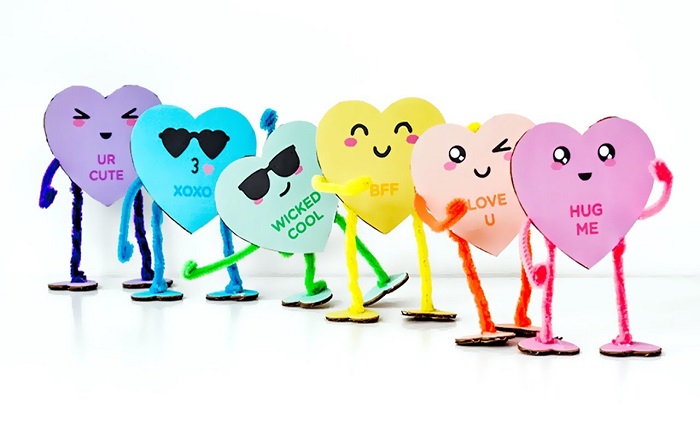
Craft enthusiasts frequently incorporate conversation hearts into DIY projects. From handmade cards to decorative centerpieces, conversation hearts can enhance a wide range of Valentine’s-themed creations.
Teachers often use conversation hearts in educational activities. Students can sort conversation hearts by color, count them for math exercises, or create stories based on the messages they receive. These activities make learning more engaging and interactive.
Party planners also use conversation hearts as table decorations, game pieces, and gift bag fillers. Their versatility makes conversation hearts a valuable addition to many holiday events.
Even photographers and content creators appreciate conversation hearts as props for seasonal photo shoots and social media content. Their recognizable appearance instantly communicates a Valentine’s Day theme.
The Future of Conversation Hearts
The future of conversation hearts appears bright despite changing consumer preferences and evolving candy trends. Manufacturers continue to innovate while preserving the traditions that make conversation hearts special.
New message ideas help conversation hearts remain relevant in a digital age. By incorporating modern language and cultural references, producers ensure that younger generations can connect with the candy.
Advancements in manufacturing technology may lead to greater customization options for conversation hearts. Personalized messages could allow consumers to create unique candy gifts tailored to specific occasions.
The growing demand for specialty and novelty candies also presents opportunities for conversation hearts. Limited-edition flavors, themed collections, and customized packaging can attract new audiences while maintaining the candy’s classic identity.
As long as people continue seeking meaningful ways to express affection, conversation hearts are likely to remain a cherished part of Valentine’s Day celebrations for years to come.
Conclusion
Conversation hearts have earned their place as one of the most iconic Valentine’s Day candies in history. Their combination of sweet flavors, colorful designs, and heartfelt messages creates a unique experience that appeals to people of all ages. From their fascinating origins to their modern-day popularity, conversation hearts continue to symbolize friendship, love, and connection. Whether enjoyed as a treat, used in crafts, or shared with loved ones, conversation hearts remain a timeless tradition that brings joy to every Valentine’s season.
FAQs
1. What are conversation hearts?
Conversation hearts are small heart-shaped candies featuring short messages such as “Be Mine,” “Love You,” and “Best Friends,” commonly associated with Valentine’s Day.
2. Who invented conversation hearts?
The development of conversation hearts is linked to Daniel Chase, whose candy-printing innovations helped create the message candies that evolved into today’s popular heart-shaped treats.
3. What flavors do conversation hearts come in?
Traditional conversation hearts are available in flavors such as cherry, lemon, lime, orange, banana, grape, and wintergreen.
4. Why are conversation hearts popular on Valentine’s Day?
Conversation hearts are popular because they combine candy with meaningful messages, making them a fun and memorable way to express affection and friendship.
5. Can conversation hearts be used for crafts and decorations?
Yes, conversation hearts are commonly used in Valentine’s Day crafts, party decorations, baking projects, classroom activities, and themed displays.