Entertainment districts work like pressure valves. They collect noise, light, and motion in one place. Cities build them to concentrate energy instead of letting it leak everywhere.
For travelers, these districts solve a problem fast. You arrive tired. You want food, music, and movement within walking distance. Entertainment zones deliver that in tight blocks. Neon replaces maps. Crowds replace guesswork.
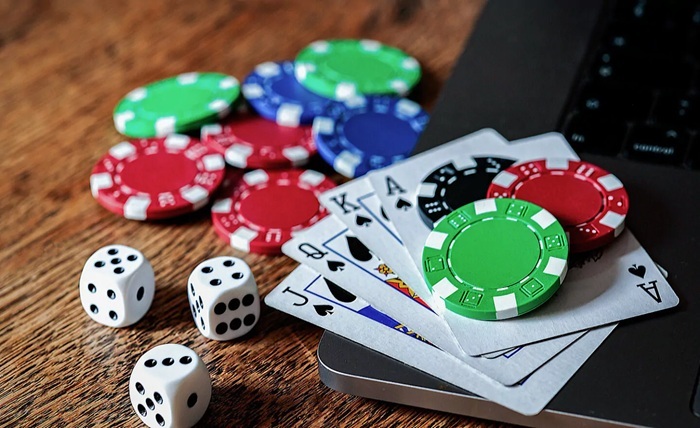
Gambling appears here for a reason. It fits the rhythm. Like a late train or a street performance, it offers uncertain payoff. You spend time. You risk money. You trade predictability for a story.
This article looks at how travel, nightlife, and gambling meet on the same streets. Not as advice. As observation. We focus on how cities design these zones, why travelers gravitate to them, and what they reveal about modern tourism.
Why Entertainment Districts Attract Travelers First
Entertainment districts remove friction. Everything sits close. Food. Music. Lights. Noise. You do not plan. You react.
For travelers, this density matters. After a flight, decision-making feels heavy. These districts lighten it. You walk out of a hotel and choices appear every ten steps. Bars spill onto sidewalks. Music leaks through doors. Screens flash scores, shows, and odds.
Gambling fits this layout because it behaves like nightlife. It stays open late. It rewards impulse. It turns waiting into action. In many cities, betting lounges and digital kiosks sit beside clubs and sports bars. The line between watching and participating blurs.
Mobile platforms extend this effect beyond the street. A traveler can sit in a bar, scroll a lobby, and place a bet without leaving the table. The desi live app works like a portable entertainment strip. One interface. Many games. No geography required.
Cities design districts to keep people moving, not thinking. That is the appeal. For visitors, these zones offer instant immersion. You feel the city before you understand it.
Las Vegas: A City Built As A Single Entertainment Machine
Las Vegas does not hide its purpose. The city announces it at the airport. Lights replace signage. Carpets guide foot traffic like conveyor belts.
The Strip works as one long entertainment district. Hotels connect through malls, casinos, theaters, and bars. You rarely step outside. Climate disappears. Time bends.
For travelers, this design removes friction completely. You eat, watch, gamble, and sleep without breaking rhythm. Gambling anchors the system. It keeps people inside. It stretches evenings into mornings.
Nightlife here does not orbit culture or history. It orbits duration. The goal is to hold attention. Every sound and smell serves that aim.
Las Vegas shows the extreme case. When entertainment, travel, and gambling merge fully, the city becomes a controlled loop. Visitors do not explore. They circulate.
Macau: Gambling As Urban Identity
Macau feels different from Las Vegas the moment you step outside. The streets are tighter. The buildings stack closer. History presses in.
Here, gambling does not sit apart from the city. It defines it. Casinos rise beside churches, bakeries, and apartment blocks. Locals cross gaming floors to reach buses. Tourists drift between temples and tables.
This mix shapes travel behavior. Visitors come for gambling, but they stay for contrast. A morning walk through Senado Square resets the senses after a loud night. The city forces rhythm changes.
Macau’s entertainment districts compress extremes. Silence and noise sit blocks apart. Risk and routine share sidewalks. Gambling works because it feels grounded, not isolated.
The lesson is spatial. When gambling embeds into daily urban life, it stops feeling like an event and starts feeling like infrastructure.
European Entertainment Quarters: Gambling As One Option Among Many
European cities take a lighter approach. Entertainment districts grow around streets, not megastructures.
Places like Soho in London, Reeperbahn in Hamburg, or Montmartre in Paris mix bars, theaters, music venues, and small casinos within walkable grids. No single activity dominates. Gambling competes for attention.
This balance shapes behavior. Travelers move constantly. One drink here. A show there. A short stop at a gaming hall. The night stays fragmented.
Gambling in these districts feels casual. It does not trap visitors. It punctuates the evening, like dessert after dinner. The city remains the main attraction.
These quarters favor choice over immersion. Travelers sample instead of commit. The result feels lighter, less consuming, and easier to leave.
Asian Nightlife Hubs: Speed, Density, And Digital Play
Asian entertainment districts run hot and fast. Streets stay narrow. Signs stack vertically. Sound bounces off glass.
Areas like Shinjuku in Tokyo or Clarke Quay in Singapore compress nightlife into tight corridors. Movement is constant. Decisions happen in seconds.
Gambling here often blends with technology. Pachinko halls, betting cafés, and mobile platforms share the same audience. The physical and digital overlap. A player can watch a match on a screen, place a bet on a phone, and order a drink without moving.
For travelers, this creates intensity. The city feels alive even at midnight. Gambling becomes one more interactive surface in a dense environment.
These districts show how modern tourism adapts. Space shrinks. Screens multiply. Entertainment follows attention, not location.
What Entertainment Districts Reveal About Modern Travel
Entertainment districts show how travel has changed. Visitors no longer search for single attractions. They seek systems that deliver choice, speed, and stimulation.
Nightlife supplies rhythm. Gambling supplies uncertainty. Travel supplies context. Together, they form compact experiences that fit short trips and long nights.
These districts succeed because they reduce effort. You arrive. You engage. You leave with stories instead of plans.
For travelers, the lesson is simple. These zones offer intensity, not depth. They work best in doses. Step in. Absorb the noise. Then step out and let the city breathe.
That balance turns spectacle into memory.